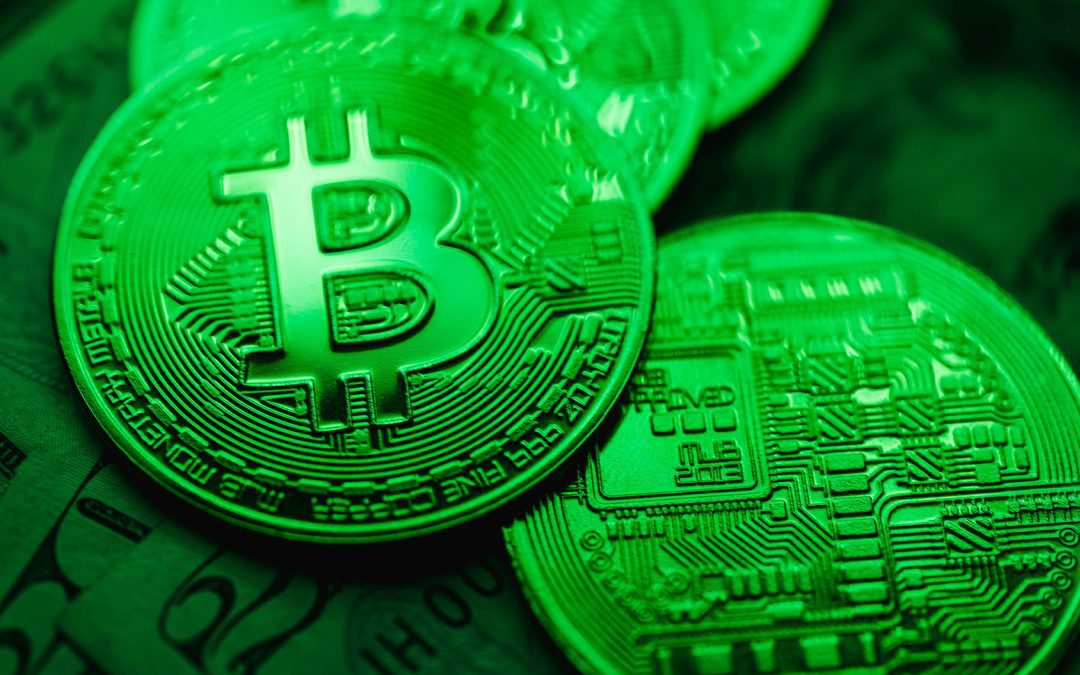
What is cryptocurrency?
Cryptocurrency is a digital asset with a (more or less) artificial price. Traditional cryptocurrencies, like Bitcoin or ether, are akin to stocks. The value rises and falls based on what people are willing to pay for it. At the end of the day, though, having a “share” of cryptocurrency means nothing more than your name (technically, a long string of characters that represents you) being next to a number representing how much of the cryptocurrency you own.
What are stablecoins?
Stablecoins are often compared to mutual funds because the entities issuing them promise the coins will have a stable value. Generally, real money or other cryptocurrencies act as collateral for stablecoins. Some also use an algorithm to control buying and selling, which keeps the price more stable.
However, more than twenty stable coins collapsed between 2016 and 2022, which belies their supposedly stable nature. Perhaps the most well known stablecoin, USDC, almost collapsed when the creator revealed the collateral included $3.3 billion in Silicon Valley Bank. The federal government effectively saved USDC when it bailed out the Bank’s uninsured depositors. Another, TerraUSD (UST), failed after a loss of liquidity sparked a mass selloff and erased almost $45 billion of wealth.
What are memecoins?
One cryptocurrency, Dogecoin, began as a joke based off of an internet meme and set off what people now call memecoins, akin to penny stocks. Creators of these coins base them off of popular behaviors or images and do not promise the coin will ever have any value. However, if the the coin gets enough attention, it can gain value quickly. This feature render memecoins nothing more than the monetization of attention.
The especially pernicious aspect of memecoins lies in the “rug pull.” Essentially, a creator keeps 10 to 20% of the coins created and sells off the rest. By monetizing enough people’s attention, the creator gains a great deal of money. Norms (nothing legal) insist that the creator holds on to their stake. But when the price gets high enough, the creator then sells off their entire holdings, crashing the price and pulling the rug out from under everyone else.
Trading crypto through decentralized applications (“dapps”)
Decentralized applications, called “dapps,” are accessed through hyperlinks just like a website on the internet. However, websites are stored on centralized servers, whereas a dapp is stored on the decentralized blockchain, hence the name.
Dapps include decentralized exchanges (DEXs) that let people trade cryptocurrency without needing an intermediary like a traditional exchange (e.g., Binance, Coinbase, etc.). DEXs do not have any identity verification or know your customer rules, making them anonymous, and no central authority needs to approve new tokens. These features make it all too easy for scammers to proliferate meaningless cryptocurrencies and steal from the unwary. Importantly, DEXs are hard to shut down because of their decentralized nature.
Dapps and scams
A typical scam goes like this: A scammer contacts their target on a messaging app like WhatsApp or Telegram or, for example, through social media. The scammer poses as a romantic contact, an investment advisor, etc. to gain trust with the target. After convincing the target to download something like the Coinbase app, the scammer will give the target a link to open in the app (Coinbase’s app has a browser for this purpose).
When the target then transfers money through the particular DEX, it looks like they successfully made a cryptocurrency trade. In reality, they transferred money directly from their cryptowallet to the scammer. This cycle continues until the target tries to withdraw their funds, for instance. They cannot, for the funds do not exist anymore (they just look like they do). Scammers will then often give an excuse, like, “You have fees on your account you need to pay before you can withdraw,” or, “Your crypto credit score is too low to withdraw money, but you can raise it by sending more and then withdraw.” Essentially, the excuse gives the scammers further opportunity to steal money. When the target eventually gives up, they have likely transferred tens or hundreds of thousands to the scammer.
Notably, about 60 to 70% of crypto-related fraud uses this approach. Losses have also increased substantially. In 2022, the Federal Bureau of Investigation reported that $2.57 billion lost to investment fraud was due to cryptocurrency. In 2023, that number rose 53% to $3.96 billion and was by far the biggest portion of the $4.6 billion total lost to investment fraud.
The issue shows no signs of slowing, either. Scammers create dapps by the thousands each week, and each dapp has a lifecycle of about only sixty days. Most targets will go through four or five during a scam. Although companies like Coinbase sometimes block criminal dapps, scammers easily convince people to move platforms.
Could artificial intelligence help?
As noted, the volume of dapps is enormous. But blockchain information is public, notwithstanding the anonymity of dapps. Ordinary people cannot handle the volume of transactions to track down every criminal dapp. This raises the prospect that artificial intelligence could step in to identify fraudulent dapps before they cause harm. Only time will tell.
—
Need help? Feel free to contact us to see whether you qualify for our services. All matters will be screened before acceptance.

Primary Funding

Copyright 2026 – Elder Law & Advocacy – Privacy Policy – Terms & Conditions